

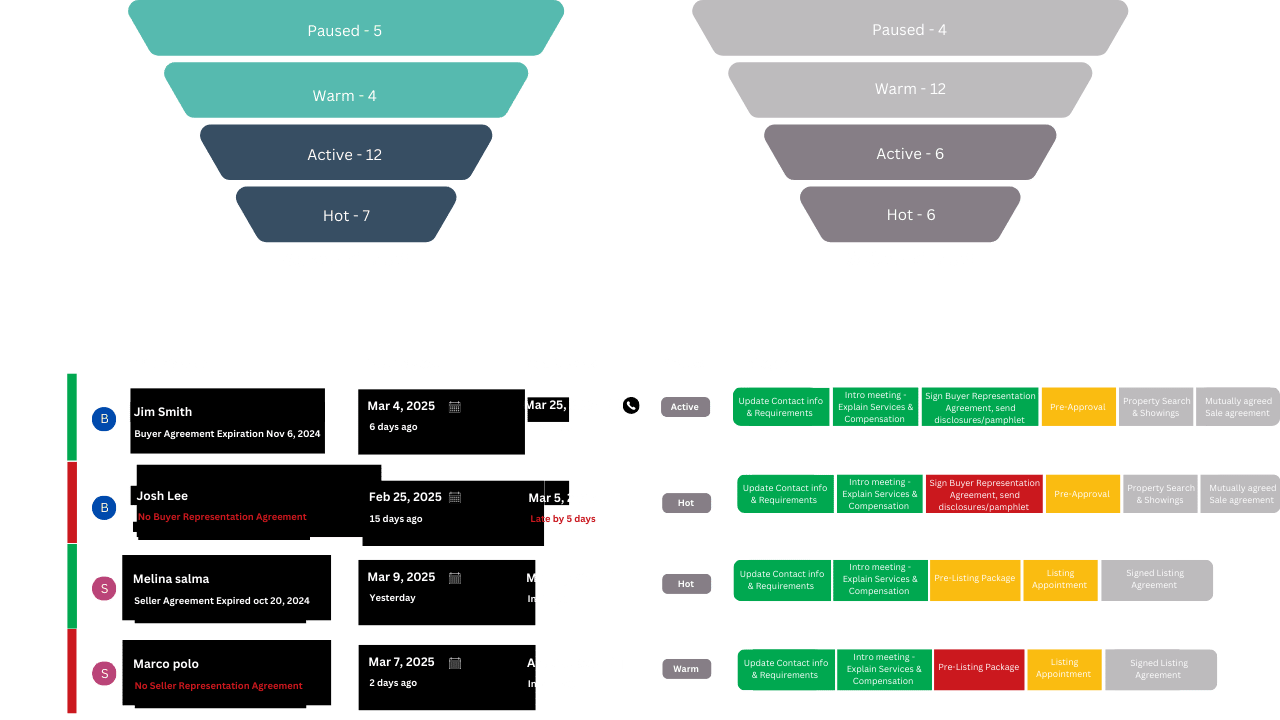
Most agents don’t notice how much time they lose to transaction admin until they actually count it. Inspection follow-ups, wet signatures, lender reminders, status updates to anxious sellers the work piles up fast, especially in the final two weeks before closing. Good real estate transaction management software exists for one reason: to keep that work organized so deals don’t slip through the cracks.
The cost of disorganization
A missed earnest money deadline can cost a buyer their deposit. A forgotten inspection contingency can void protections the buyer was counting on. A lender that doesn’t get appraisal documents on time can push closing back by a week and in a hot market, real estate broker Eagle Rock that delay can cost the seller a backup offer. None of these failures come from agents not knowing what to do. They come from agents juggling fifteen deals at once with email, sticky notes, and a spreadsheet that hasn’t been updated since Monday.
What good transaction software actually does
A solid platform tracks the full deal timeline from offer to close, not just paperwork:
- Auto-generated deadline reminders (EMD, inspection, appraisal, financing contingency, closing)
- Document checklists that flag missing forms before they become a problem
- Shared visibility so the broker, agent, and TC are all looking at the same status
- An audit trail showing when each step was completed and by whom
When a buyer’s lender asks for the latest version of the inspection addendum at 4:45 PM on a Friday, you shouldn’t be searching three email threads. The right real estate transaction software puts every document one click away.
The compliance angle
Brokers carry the legal weight when something goes wrong. If a state audit asks for the file on a deal closed eighteen months ago, paper folders and scattered emails will not cut it. Transaction management platforms keep a complete record of every document, message, and signature in one searchable archive. That alone justifies the subscription cost for most brokerages.
Where teams see the biggest gains
Solo agents benefit, but the real ROI shows up in teams. A team lead with eight agents under them can see every deal in flight from a single dashboard — which deals are on schedule, which are stuck, which need broker intervention. Without that visibility, the only way to know is to ask, which means weekly check-in meetings that nobody enjoys.
Transaction coordinators get even more out of it. A TC managing thirty active files needs a system that surfaces what’s due today, what’s overdue, best real estate broker Eagle Rock and what’s at risk. Software that gives them that view is software that lets them handle thirty files instead of fifteen.
What to look for
Not every platform is equal. Before signing up, ask:
- Does it integrate with my MLS, e-signature tool, and CRM?
- How easy is it to add a new deal — five minutes or fifty?
- Can clients see their own status without calling me?
- What does the audit trail look like in practice?
A platform that’s a pain to use will sit unused, no matter how powerful it is on paper.
Conclusion
Real estate is a relationship business, but it runs on logistics. Agents who close consistently aren’t necessarily the best negotiators — they’re the ones whose deals don’t fall apart in the back office. A capable real estate transaction management software handles the logistics so the agent can focus on the relationships. That’s where deals actually get won.
